

From the Archive: 475 counting days
my 33 1/3 proposal on Emotion by Carly Rae Jepsen

I’ve been a bit quiet online the past few days, largely because I’ve been working on a book proposal… crazy thing to say, but true. 33 1/3 makes some of my favorite books, and they have an open call every year for pitches. Long time readers of this newsletter will know that Emotion by Carly Rae Jepsen is one of my favorite records of all time, jostling with Yankee Hotel Foxtrot by Wilco for the top spot (I contain multitudes). Please enjoy this excerpt from my argument that Emotion is one of the greatest records of our generation.
As we approach the ten year anniversary of Emotion (2015) by Carly Rae Jepsen, its absence in the canon of 33 ⅓ books written about records that fundamentally altered the sound of their genre looms large. In the intervening decade, the eighties have dominated the pop charts, from mainstream smash hits like Dua Lipa’s Future Nostalgia (2020) to critically acclaimed independent releases like Rina Sawayama’s SAWAYAMA (2020). While Emotion was a commercial failure, it’s become a cult classic in the intervening years, consistently earning a second look from critics and fans alike.
Featuring an all-star lineup of producers like Dan Nigro, Rostam Batmanglij, Dev Hynes, and Ariel Rechtshaid, the studio process for Emotion served as a blueprint for a changing popular music landscape, in which pop stars began seeking out indie producers and writing partners. While Emotion failed to establish Carly Rae Jepsen in the radio mainstream after her huge hit “Call Me Maybe,” it instead earned her a loyal audience willing to follow her to new territory as she explored different corners of pop music. Emotion reached a group of artists and discerning fans that synthesized it into the future of the genre.
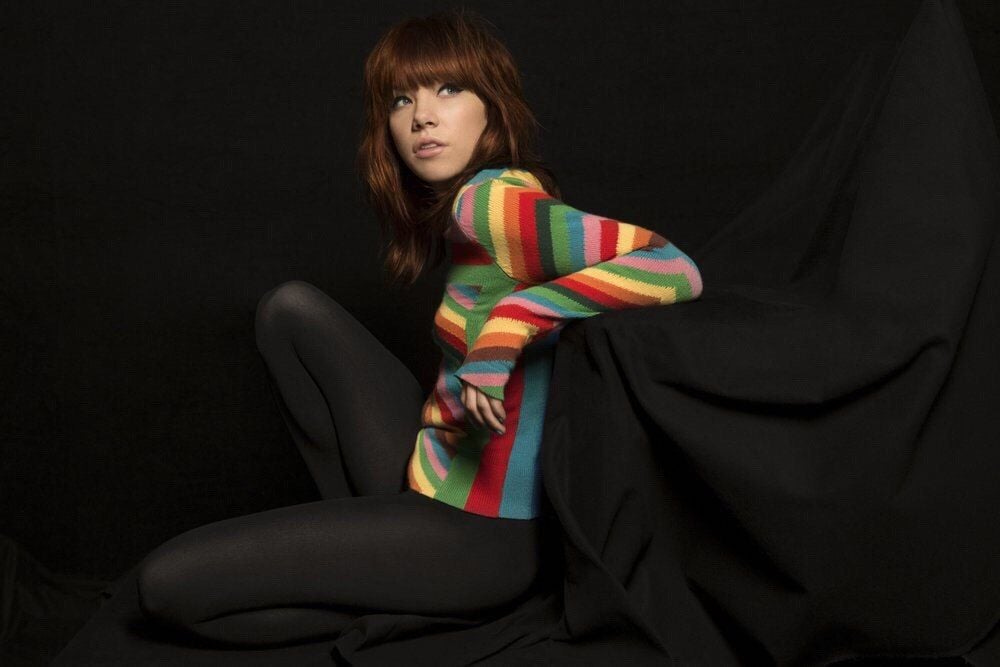
Especially important to Carly Rae Jepsen’s position in the pop canon is her queer fanbase, which embraced Emotion in all its messiness–from the inexplicable appearance of Tom Hanks in the “I Really Like You” music video to the choice to include “Black Heart” over any of the much better songs appearing on EMOTION SIDE B (2016). Emotion is uniquely an album for the unloved, the overlooked, the unrequited–this kind of explicit yearning had long been present in indie music, but Carly brought it to an unexpected place through eighties pop. An indisputable icon amongst queer communities, Carly Rae Jepsen still exists in a “Call Me Maybe” purgatory in straight ones. This discrepancy is embraced by Jepsen herself as well as her gay fans, who view her music as a well-kept secret. Arguably, the commercial failure of Emotion as she sought the creative control she felt she lost with 2012’s Kiss is what made her so well-positioned to become an important figure in the queer community.
Working with Carly Rae Jepsen in her Emotion era was an augur of success: Dan Nigro would go on to work with Olivia Rodrigo and Chappell Roan, two of the most popular pop stars today. Dev Hynes is rumored to be the foremost producer on Lorde’s upcoming album, and his signature sound has had a resurgence with Gen Z. Rostam Batmanglij, originally of Vampire Weekend fame, earned some of his first production stripes on Emotion. Petra Collins, who directed the “Boy Problems” music video, was later tapped to shoot Gucci campaigns and has become a sought-after creative director in the music, fashion, and television worlds. Tegan & Sara, already indie heroes, were orchestrating a hard left turn into pop. More than just being an excellent songwriter and singer, Carly proved she had excellent taste, choosing to pursue artists she respected as collaborators, rather than working with the most popular producers of the day.
Carly wrote a staggering 250 songs for Emotion, and selected only 12 for the final record. With EMOTION SIDE B she started her tradition of releasing records of b-sides, usually as or more beloved by fans than the original record. She identifies more strongly as a writer than a singer or even an artist–this kind of obsessive dedication to her craft proved a gift, bringing forth a sound that would shift the pop paradigm.
Carly Rae Jepsen belongs to a unique class of musicians overlooked by fans and loved by artists. Emotion especially embodies this position in the hearts of those with the power to shape the industry—this record gave rise to a beloved sound that defines pop music in the modern era.